

Projects that reveal the art behind TMC customisation
A rusty Class 47, a perfectly matched batch of G5s, or a Class 91 with bird strikes. Every weathered model that leaves TMC can tell a story. It's where 'box-fresh' ends and individuality begins!
We sat down with TMC's Rob Perkins to look back at seven memorable commissions, discussing the techniques, the research and the philosophy behind bringing miniatures to life.
Beyond factory finish
Sometimes the best starting point isn't a pristine model. For this Bachmann Class 47, Rob was asked to transform an already factory-weathered locomotive into something that genuinely reflected the tired condition of the real locomotive.
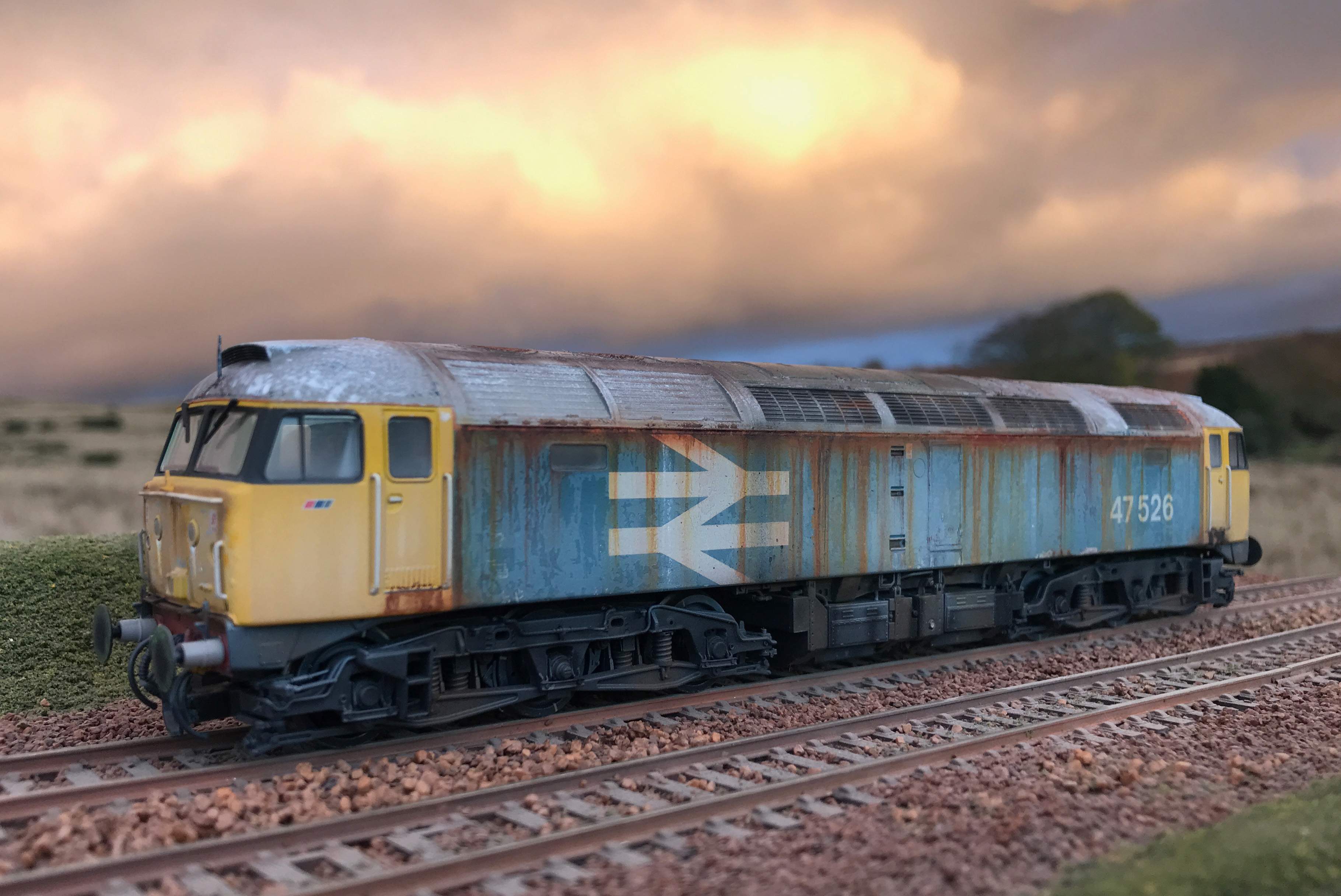
"Sometimes, if I can work with the factory weathering, I'll keep it and use it as a head start. If it looks poor, though, I often have to spend a long time removing it because you have to avoid damaging the model."
Rather than stripping everything away, Rob worked with what Bachmann had already provided, adding layers of subtle green staining, moss growth across the roof and carefully developed rust streaks inspired directly by photographs supplied by the customer.
Every rust streak was individually built using multiple shades before being blended into the next.
"It's never just dragging orange paint down the bodyside," Rob explains.
"It's about looking at how rust behaves on the real locomotive, how it changes colour and texture, and recreating that in miniature."
One batch, identical details
Producing a one-off commission is one thing. Producing dozens of identical weathered models is another challenge entirely.
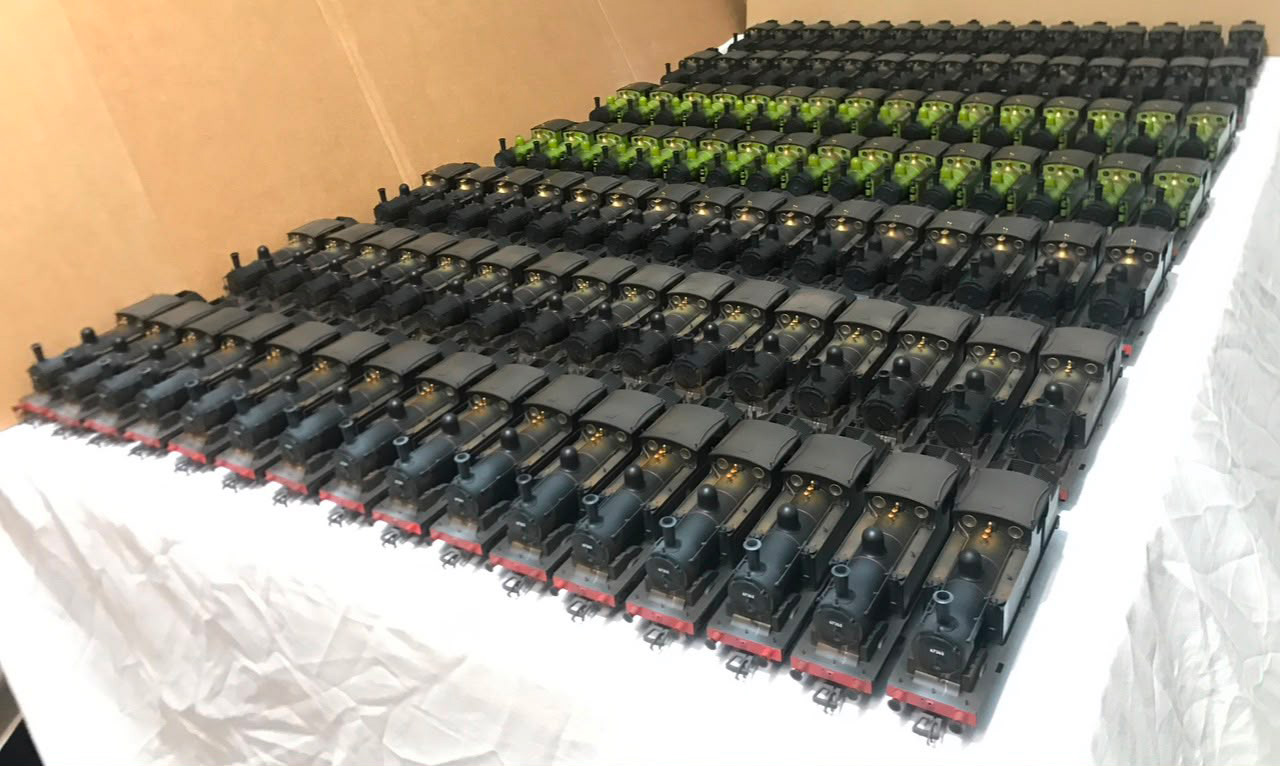
When we released our exclusive Bachmann Branchline G5 0-4-4T locomotives, consistency became every bit as important as realism.
"Each running number or livery variation is weathered differently, but every identical model receives weathering that's as close to identical as possible."
Customers expect the model arriving through the post to match the photographs they've ordered from.
That means every locomotive in a production batch is individually finished while remaining virtually indistinguishable from every other example.
A clear exception are wagons, however... "If someone buys a rake of wagons, they shouldn't all look identical," Rob says. "Real wagons didn't."
Instead, the overall appearance remains consistent while introducing subtle natural variation throughout the rake.
Details many never notice
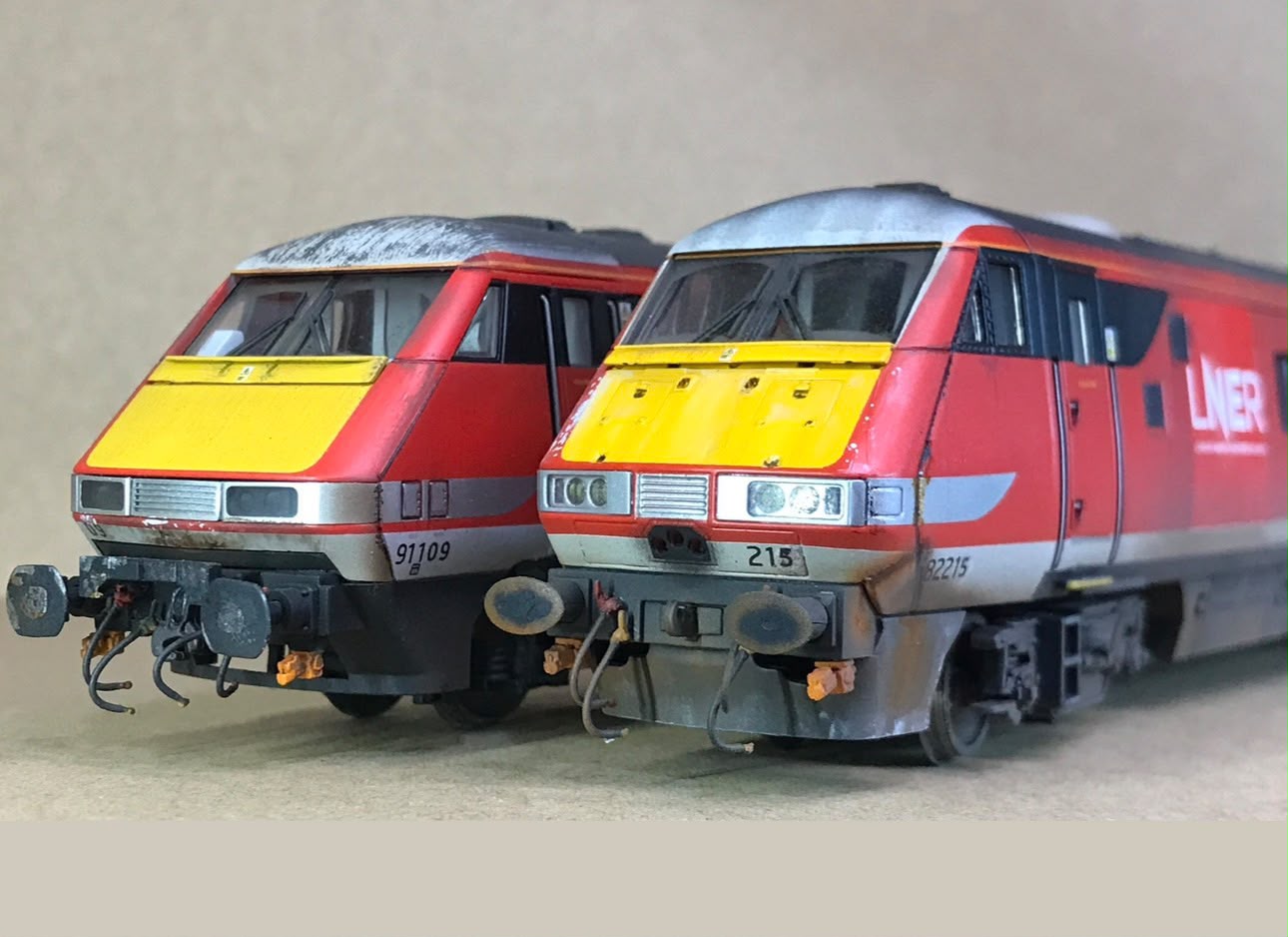
Some customers know exactly what they want. Others simply trust us to spot the details that make the biggest difference. One memorable 'Deluxe' commission involved an LNER-liveried Class 91 and DVT.
The customer supplied several prototype photographs before allowing is to choose the most interesting example. That freedom resulted in tiny details many people would never consciously notice—but immediately recognise as realistic.
Bird strikes on the nose. Feathers caught inside the grille. Fly stains. Fibreglass damage.
Each one helps create the impression of a hard-worked machine rather than a freshly-painted model.
Sometimes the requests become even more unusual: "We even have one customer who asked us to recreate toilet paper caught on the ends of coaching stock!"
Rust is never just rust
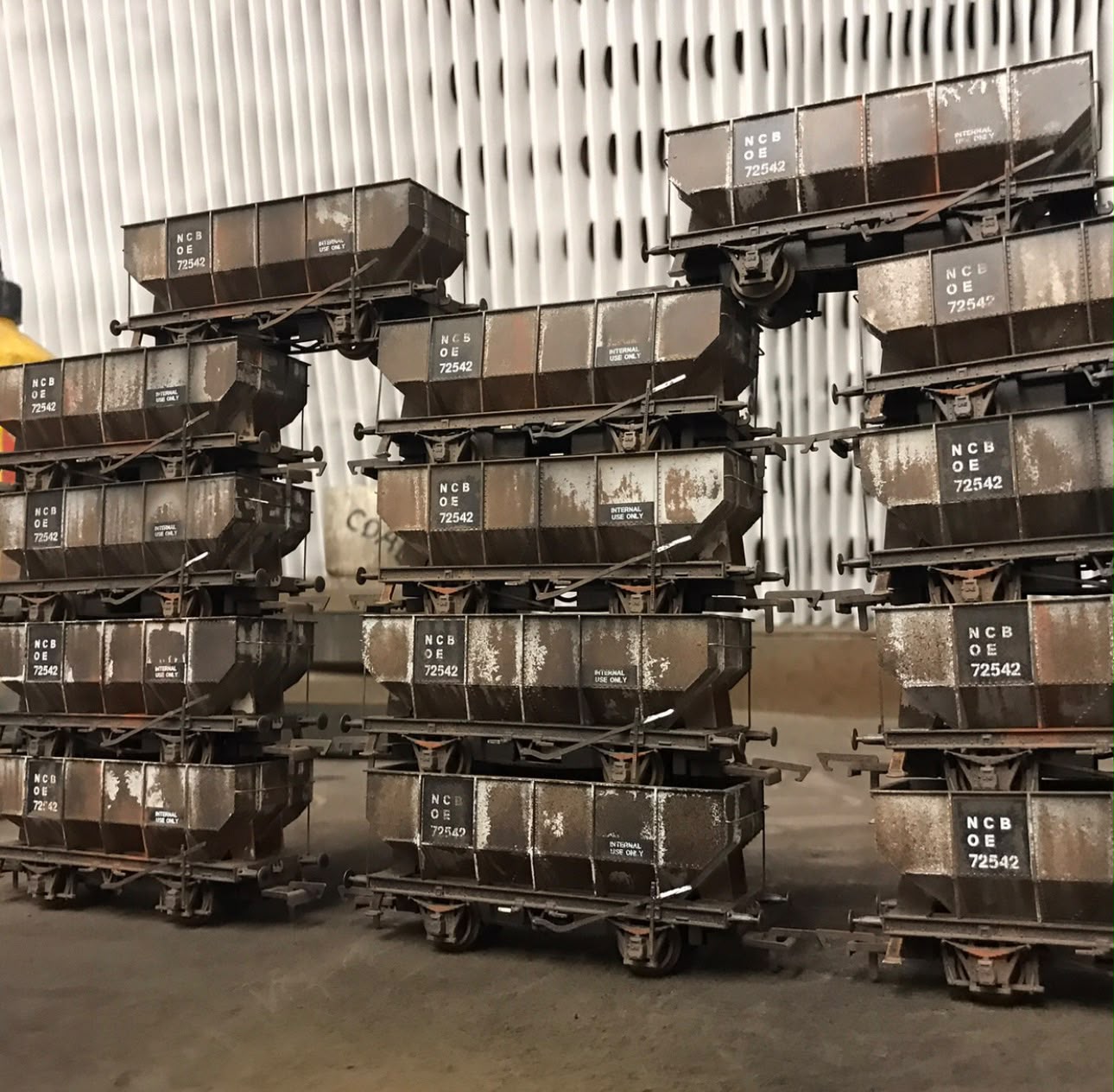
Perhaps one of the biggest developments in our weathering techniques came with these 21T NCB mineral wagons. Instead of applying conventional weathering, Rob completely rethought how heavy corrosion should look.
After studying photographs of the real wagons, each model underwent multiple painting stages to create genuine texture and depth.
The result is rust that appears to have developed over decades rather than simply been painted on.
"They actually look even better in person, explains Rob."
Making weathering believable
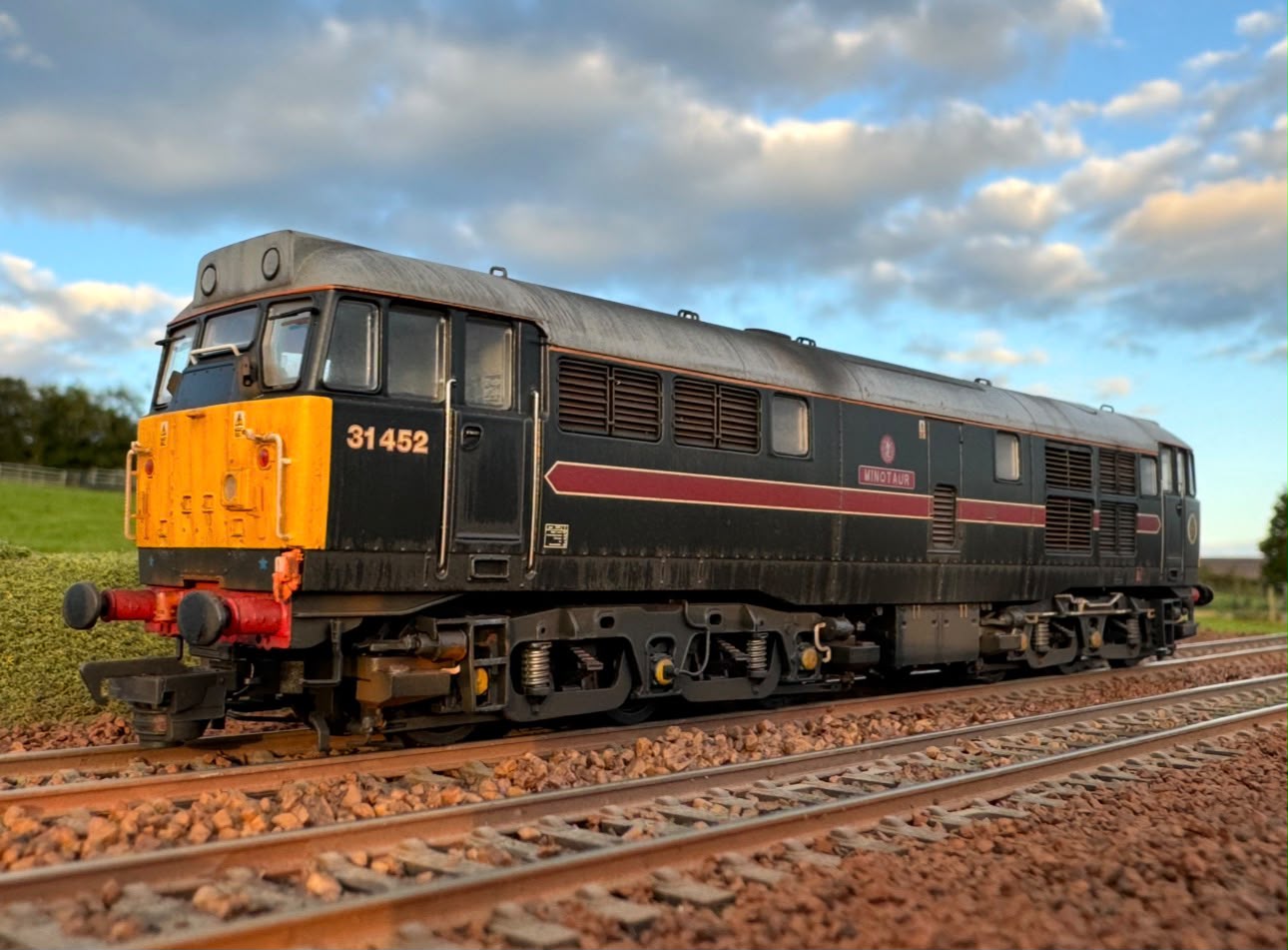
One of Rob's favourite commissions was our exclusive Class 31, 31452 Minotaur.
Rather than copying one particular photograph, Rob spent time studying numerous images of the prototype before selecting features that best represented the locomotive during a dirtier period of its working life.
"Weathering is subjective, so you have to balance realism with what customers generally like."
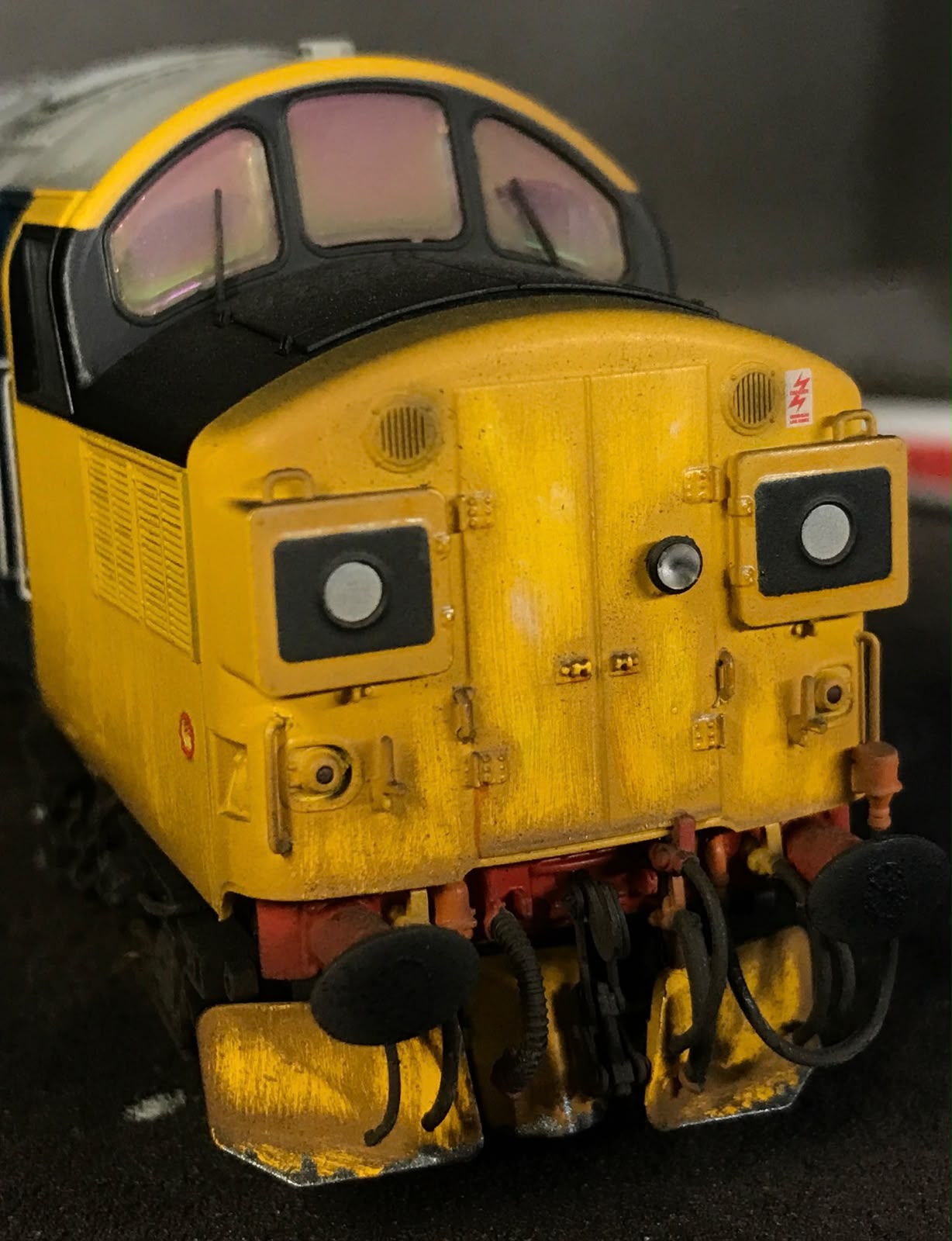
The TMC philosophy also applies to projects like this Scottish Class 37, where subtle worn paint around the nose became an important feature after Rob spotted it while studying prototype photographs.
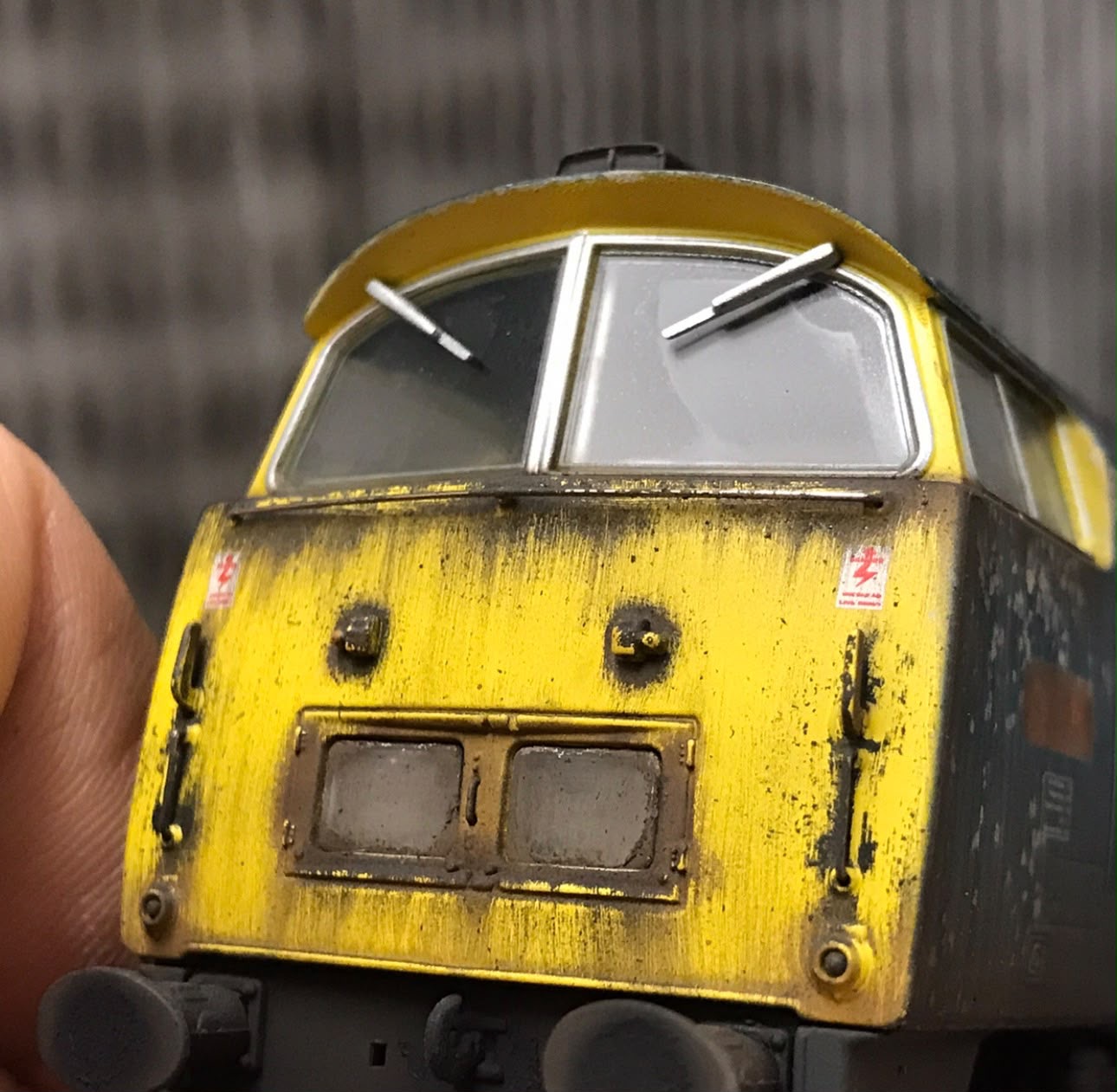
The distinctive windscreen wiper arc on this 'Western' wasn't added simply because it looked interesting – it reflected real service wear while remaining understated enough to feel authentic.
As Rob puts it: "Sometimes Deluxe weathering is slightly exaggerated because details have to stand out in miniature. The trick is making those effects believable. "You don't invent unrealistic weathering—you combine genuine features seen across the class into one convincing model."
Every model starts with the prototype
Whether it's a one-off commission, a limited-edition exclusive or a batch of production models, the same principle guides every weathering project undertaken at TMC.
The team studies the prototype first and only then do they decide how best to tell its story in miniature. That's why no two commissions are ever quite the same, and why the smallest details often make the biggest difference.
Thinking about having one of your own models weathered? Get in touch with us today to discuss your ideas, or explore our growing range of expertly weathered exclusive models already available to order.