
In images: Manning Wardles 'Sir Berkeley' and 'Matthew Murray'
A pictorial study of Rapido Trains’ new locomotives for 'OO'. Imagery: Matthew Berry
Few steam locomotives capture the character and charm of Britain’s industrial railways like the Manning Wardle 'L' Class 0-6-0 saddle tanks. Compact, purposeful and unmistakably Victorian in appearance, these diminutive workhorses spent decades hauling wagons, shunting sidings and powering heavy industry across Britain. Now, thanks to Rapido Trains, a new generation of modellers and collectors can experience these legendary little locomotives in 'OO'. Explore the range, here.
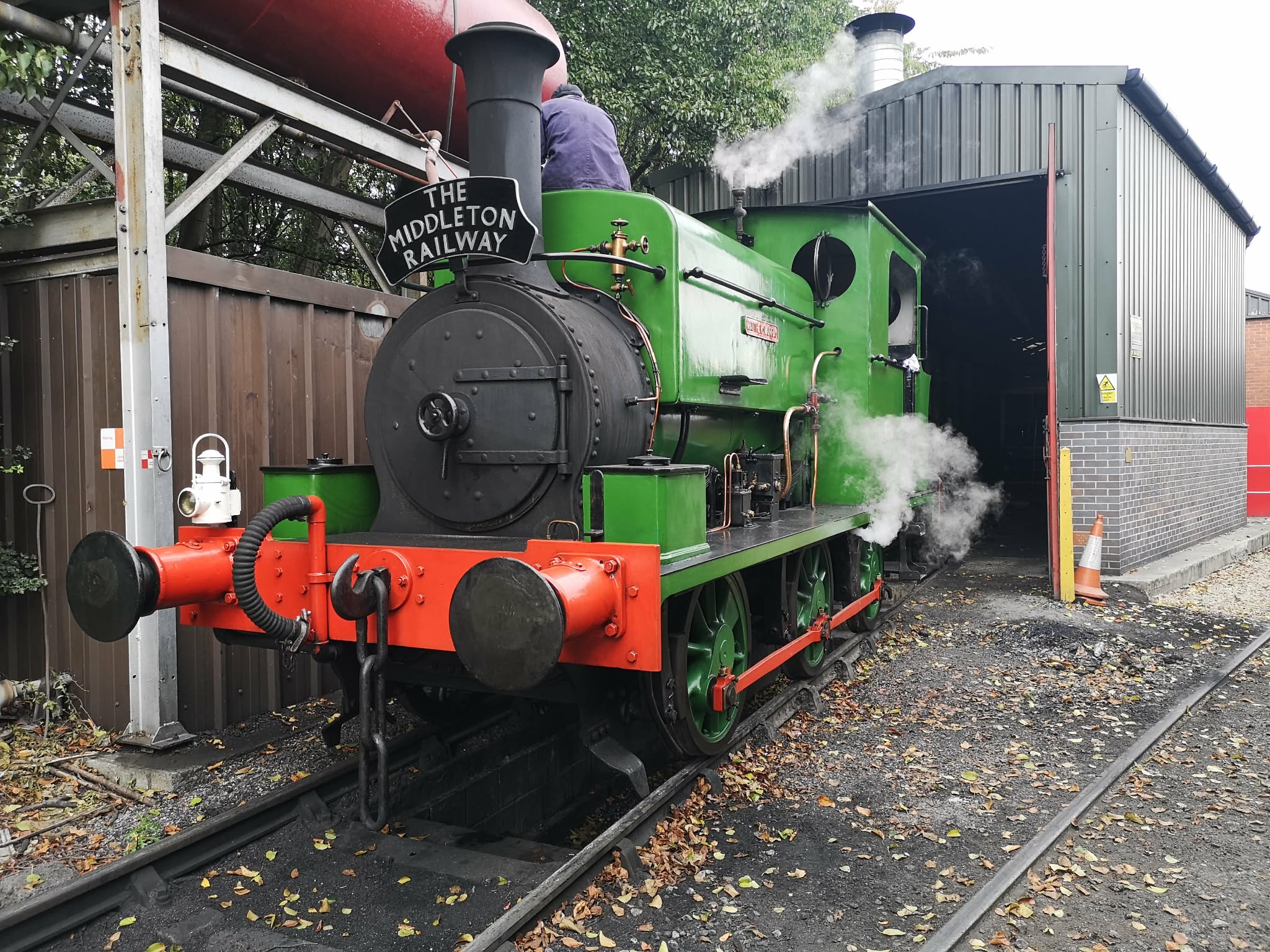
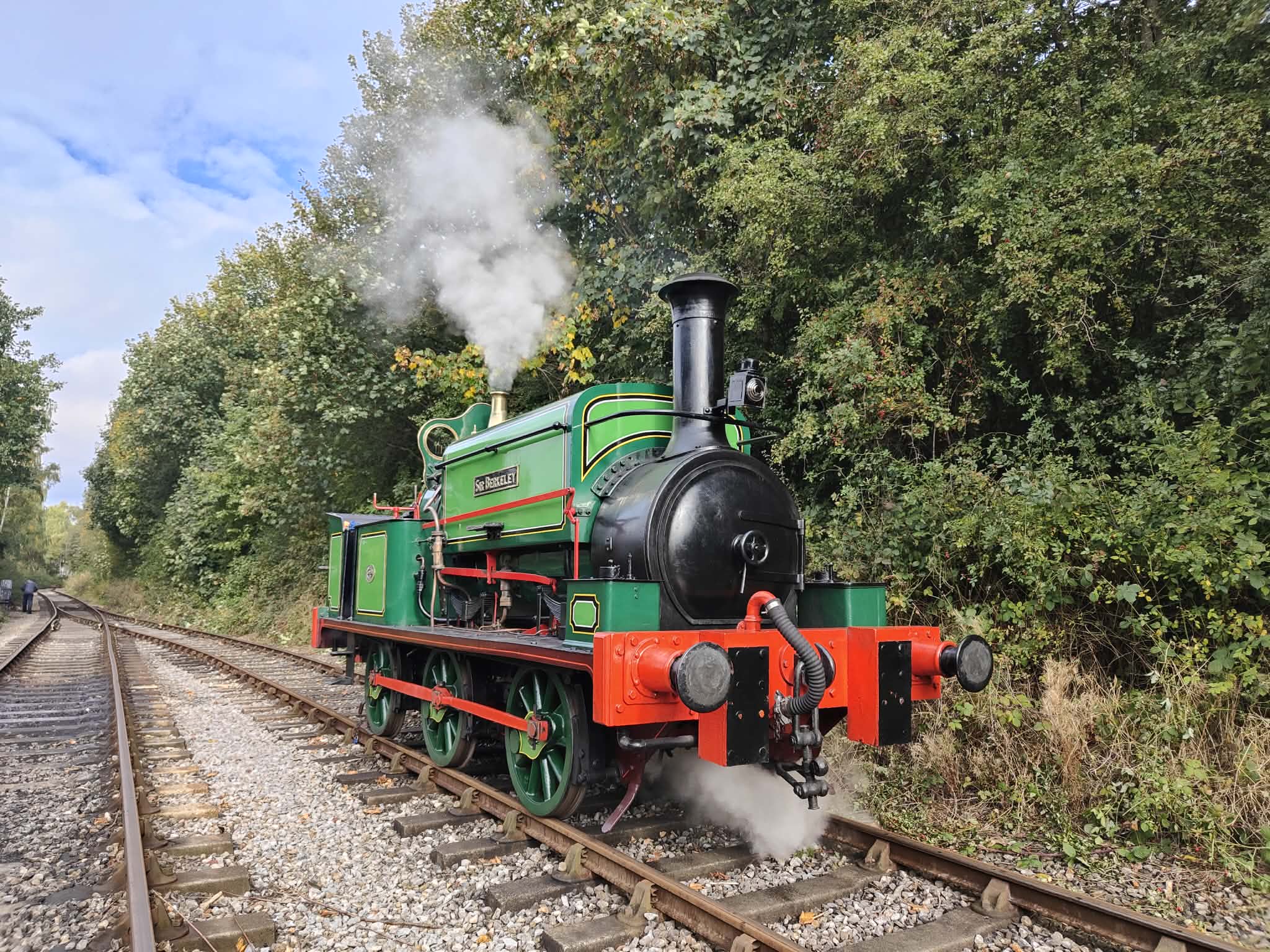
The Middleton Railway's 'Matthew Murray' on loan from the Vintage Carriage Trust prepares to provide Victorian charm to visitors of the line as it takes on water.
Founded in Leeds in the mid-19th century, Manning Wardle & Co. specialised in industrial locomotives designed for collieries, steelworks, docks and contractor operations, producing locomotives renowned for their durability and simplicity.
Among their most recognisable creations was the 'L' Class 0-6-0ST — a rugged saddle tank design, built between the 1870s and early 1900s. They became synonymous with the relentless rhythm of Britain’s industrial age.
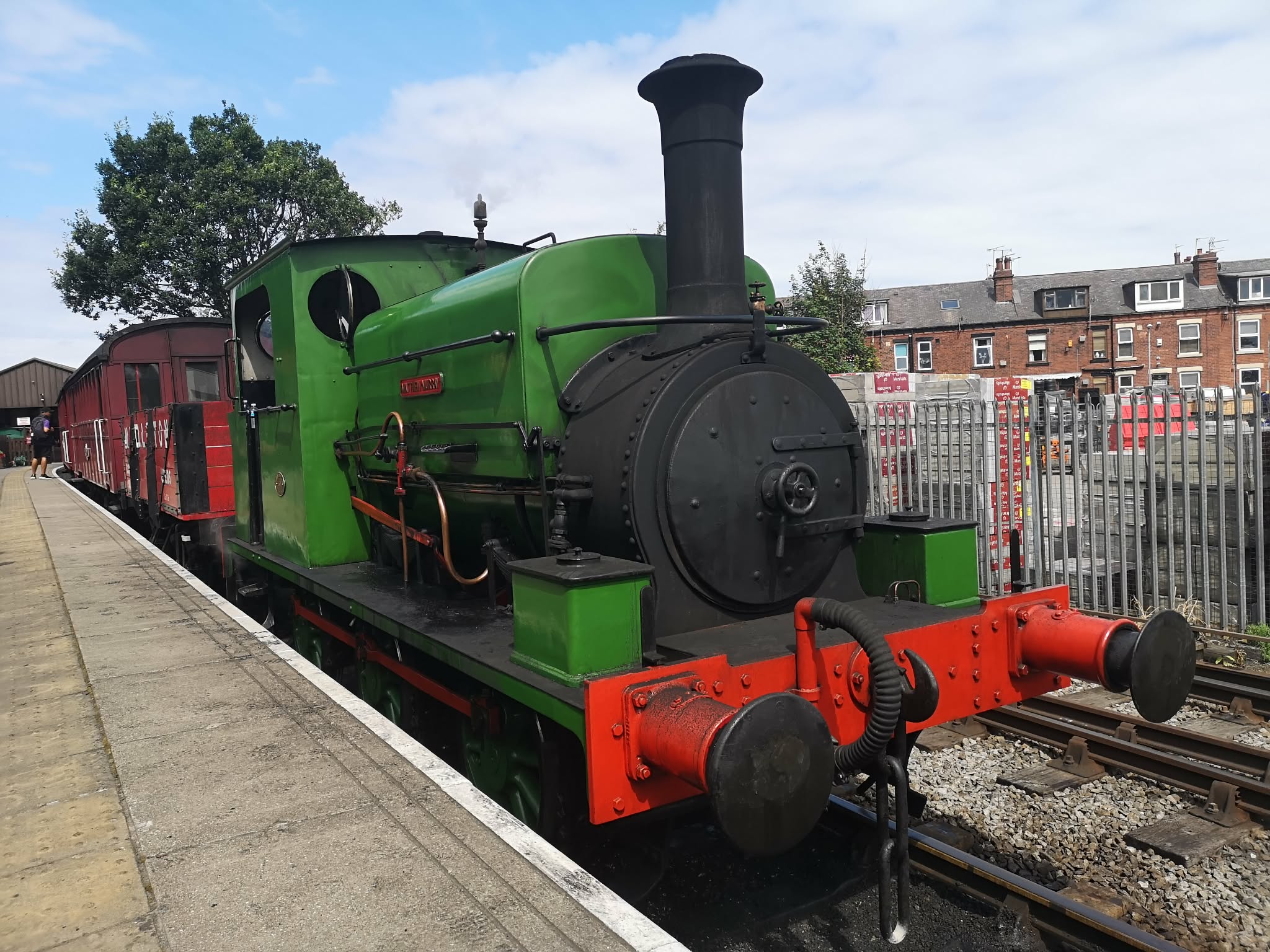
Despite its small nature, these locomotives are quite capable for their weight, their tractive effort helped by small wheels. A short rake of wagons on the level – or in this case four-wheel coaches is the norm.
Modifications means variety
Part of the enduring appeal of Manning Wardle locomotives lies in their individuality. Many survived long enough to receive alterations, minor upgrades, repaints and unique details throughout their working lives, creating distinct personalities.
From polished Victorian liveries to weather-beaten industrial finishes, the locomotives often reflected the industries they served. Their ornate styling and compact proportions won over enthusiasts of all ages.
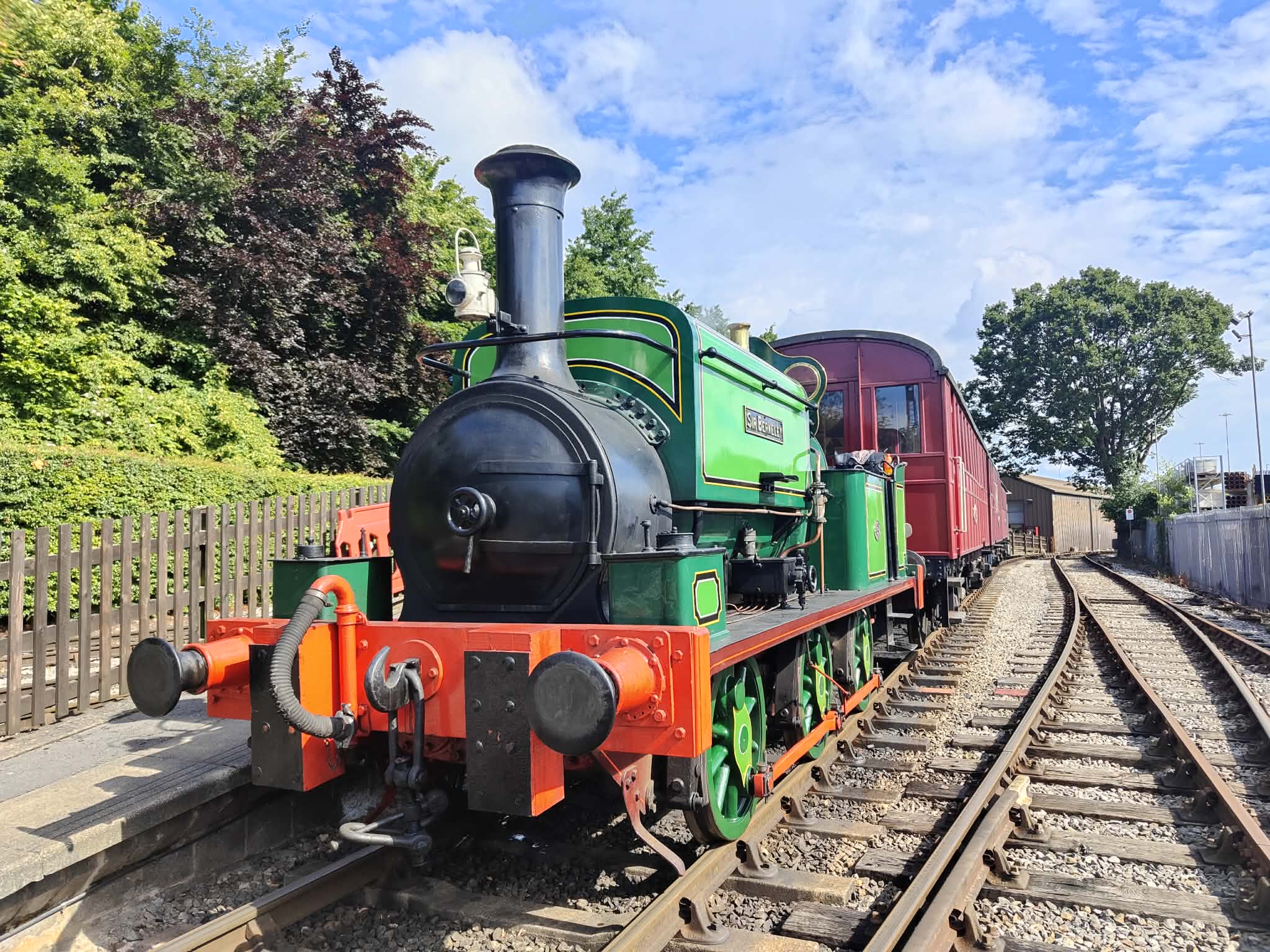
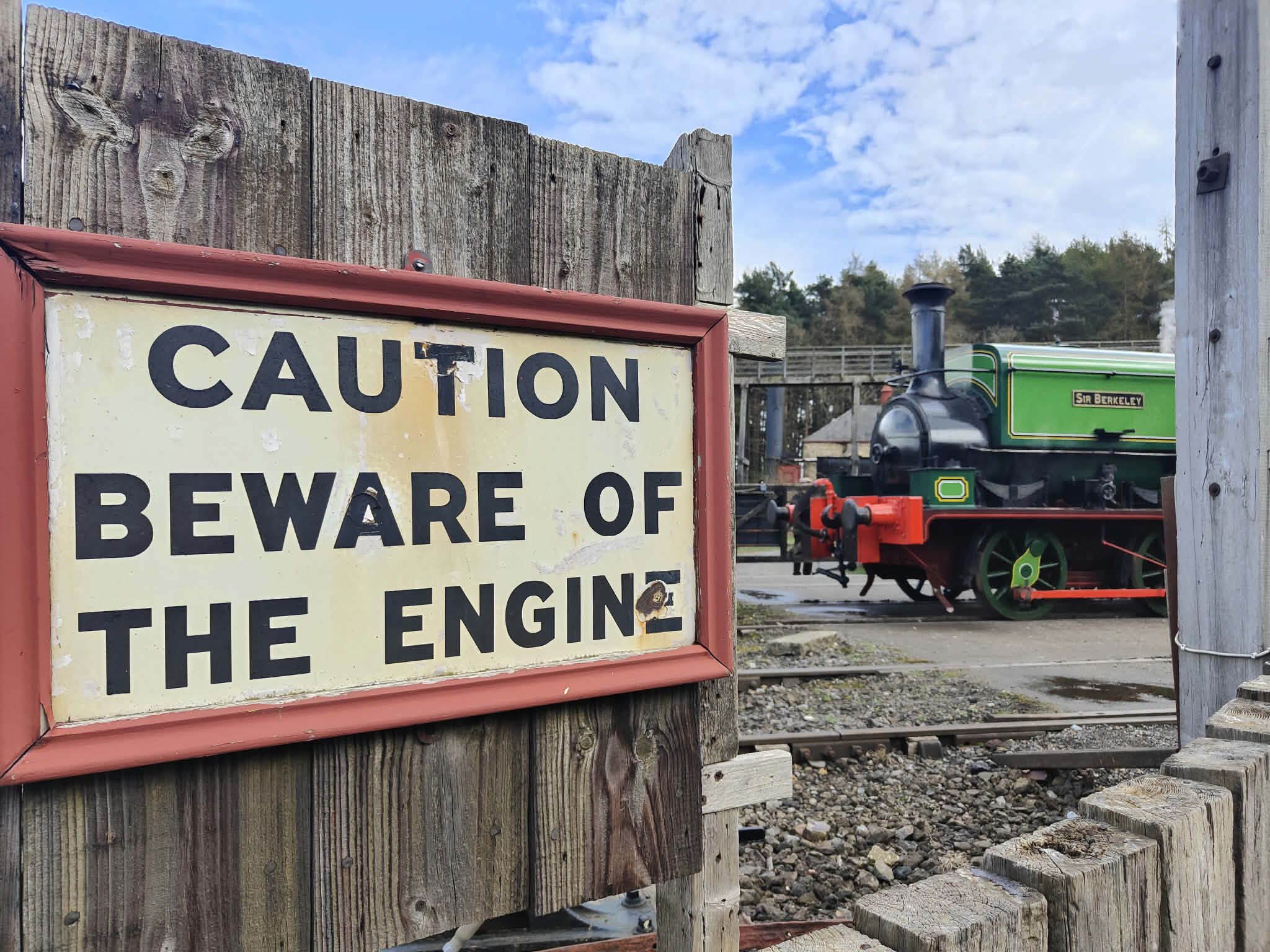
Perhaps the most famous survivor is 'Sir Berkeley', preserved today and celebrated as one of Britain’s best-loved industrial locomotives. Alongside names such as 'Matthew Murray' and 'Arthur' (non-operational), these locomotives have become icons of industrial steam preservation.
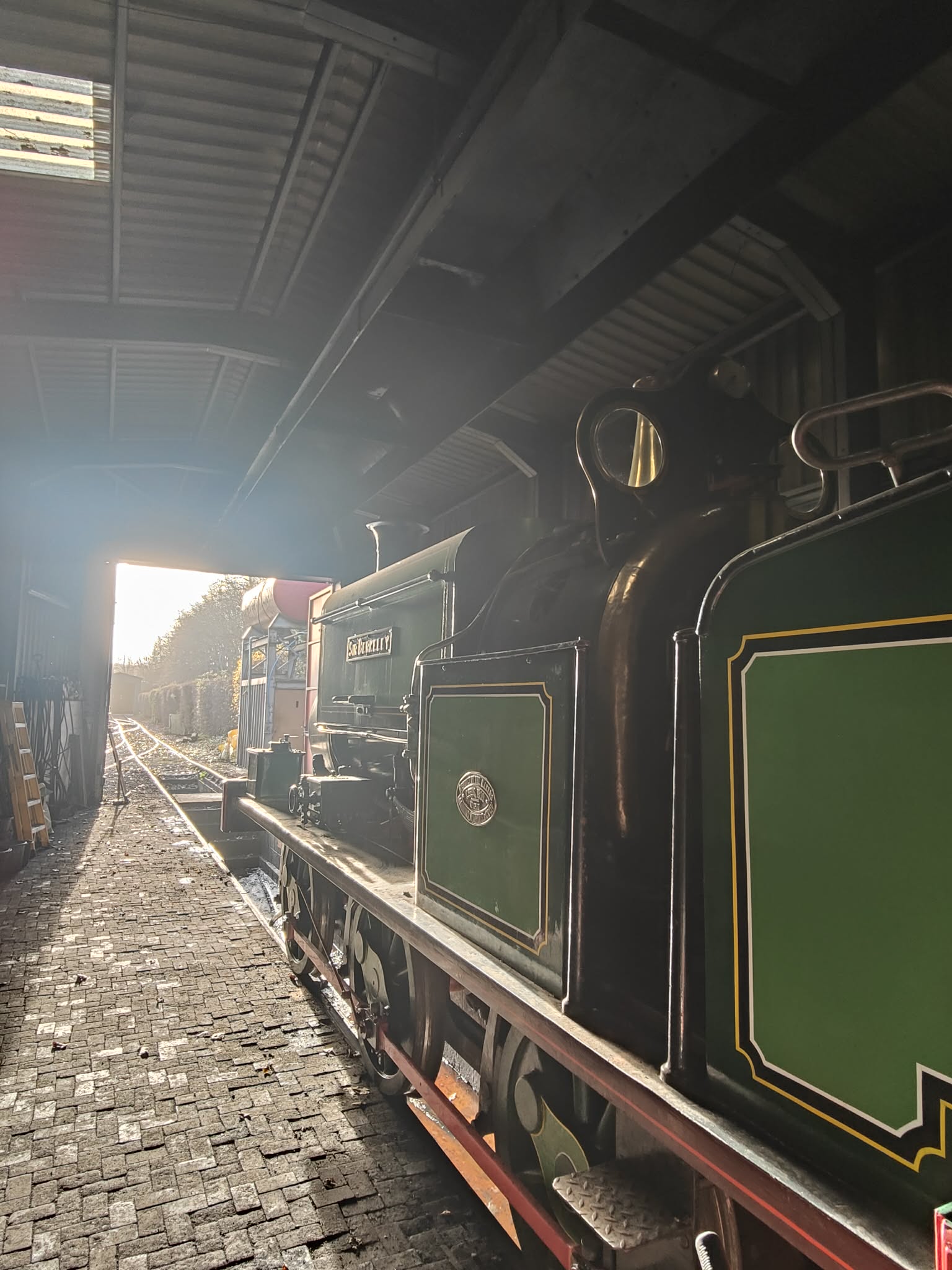
The brightwork of 'Sir Berkeley' gleams under the rays of light passing through the shed entrance at the Middleton Railway. On site areat least a dozen further industrial steam locomotives, a similar number of diesel locomotives and three narrow gauge mine locomotives – mainly housed in the 'Engine House' museum. Cranes and other industrial rolling stock completes distinguishes this site from many other heritage lines.
Rapido’s faithful recreations
Rapido Trains’ all-new OO gauge range captures the intricate detail and unmistakable character of these locomotives with remarkable accuracy. Every rivet, pipe and lining flourish has been carefully recreated to reflect the ornate appearance of the originals.
The range includes preserved favourites 'Sir Berkeley' and 'Matthew Murray' with industrial liveries packed with Victorian character. Striking fictional and 'what-if' variants allow modellers to create their own lettered livery customisations at TMC, too!
DCC-ready versions and factory-fitted DCC sound options with immersive audio cater for all operational needs.
Driving a preserved Manning Wardle
We asked driver and fireman Matthew Berry of the Embsay and Bolton Abbey Steam Railway what 'Sir Berkeley' is like to drive...
"It wants to go", he says. "It's just one of those locomotives that makes you smile. It's quite responsive to the regulator and it steams well owing to the Haycock design of firebox. I found the other operational 'L' Class 'Matthew Murray' to be the better steamer, but that might be because it's slightly easier to fire in my opinion due to having a more conventional style of fire hole doors. They are surprisingly gutsy little locomotives". "Very easy to prepare too", he adds.
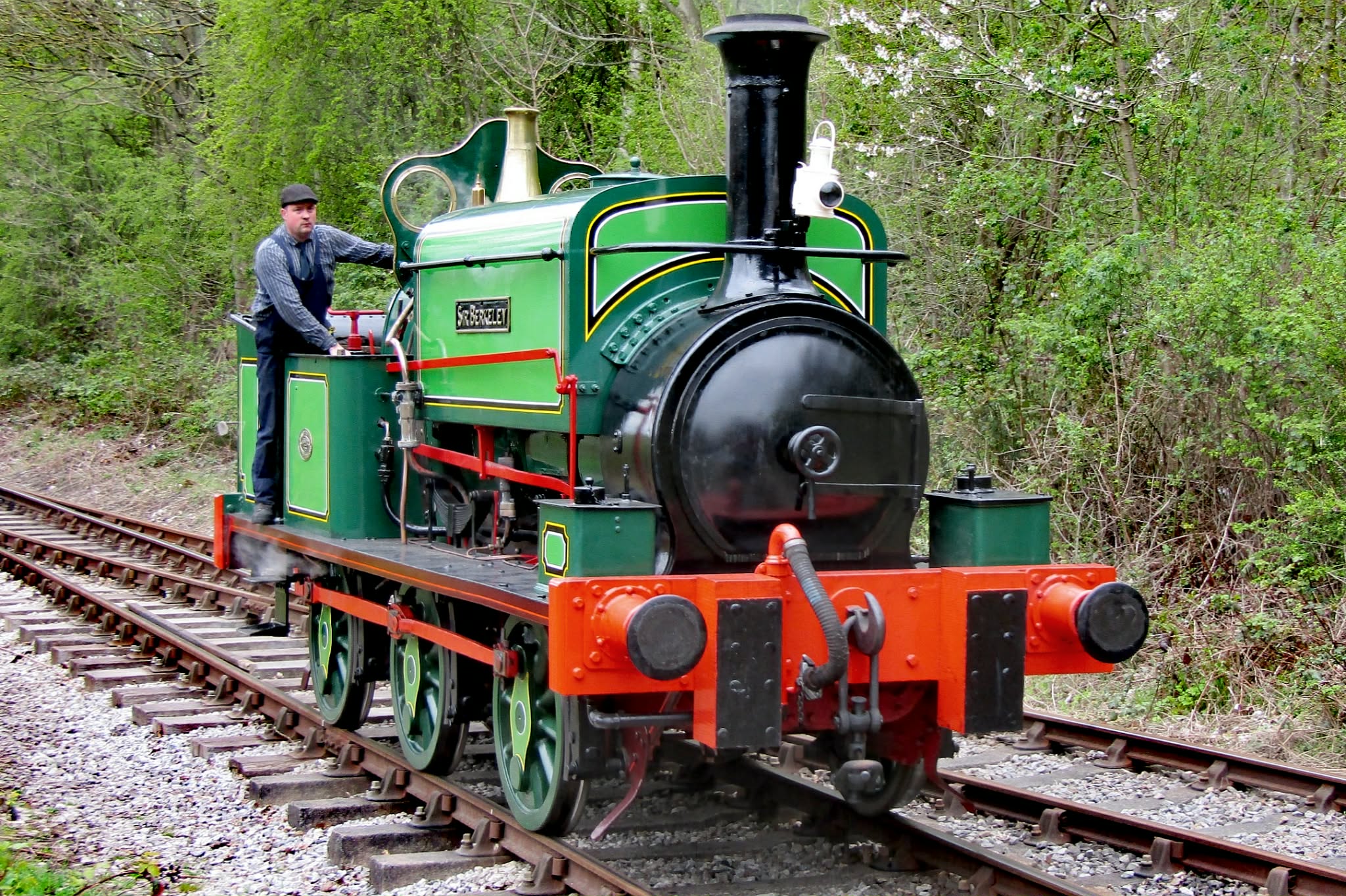
Matthew Berry on the footplate of 'Sir Berkeley'.
These tiny 'tanks' may be small in stature, but their historical importance can't be overlooked. Packed with personality, heritage and exquisite detailing, they are a fitting tribute to one of Britain’s great industrial locomotive builders.
Explore the new 'OO' range of models from Rapido Trains, here.