
Dapol delivers! New 'N' Class 56s in stock
Dapol has delivered a fresh new selection of Class 56s for 'N'. Trainload coal, Transrail, Railfreight metals, EWS and classic BR blue. Which will you choose?
Transrail and BR coal sector livery are our personal favourites – not just because of how they look, but because of what they can offer through our customisation department. A simple change to the sectorisation logo and you've an entirely new locomotive at your disposal. Think outside the box – new numbers, new names, and ample choice to have your locomotive weathered by us, just the way you'd like!
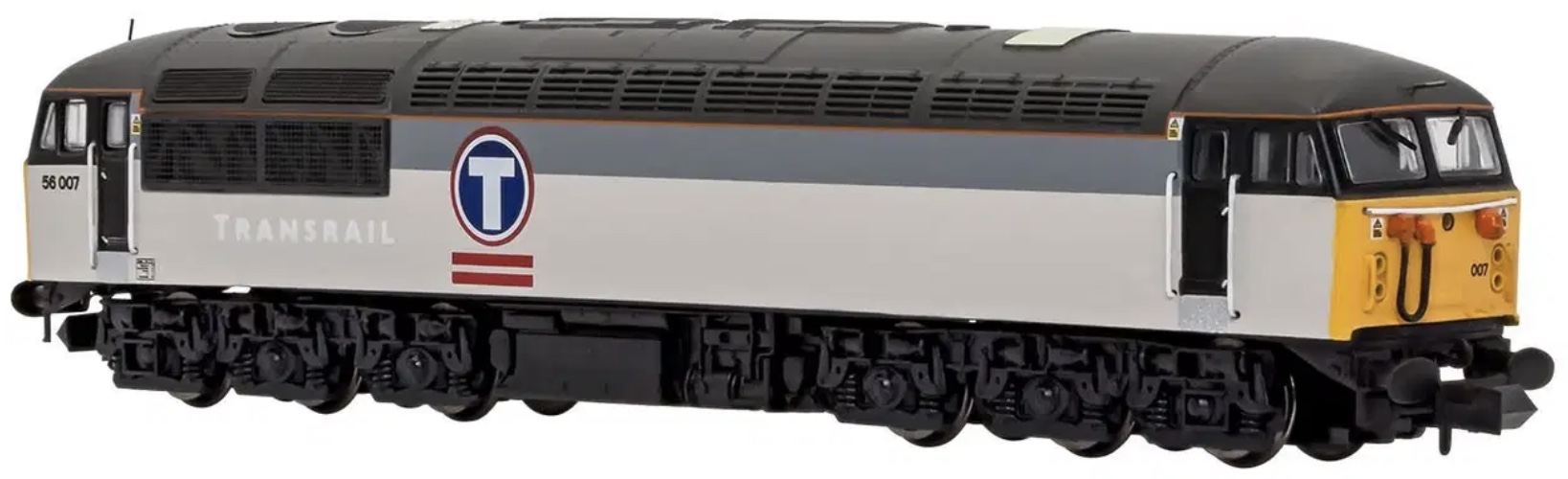
2D-004-012 Dapol N Gauge Class 56 56007 Transrail RRP: £156.60 Our price: £133.11 Add to basket
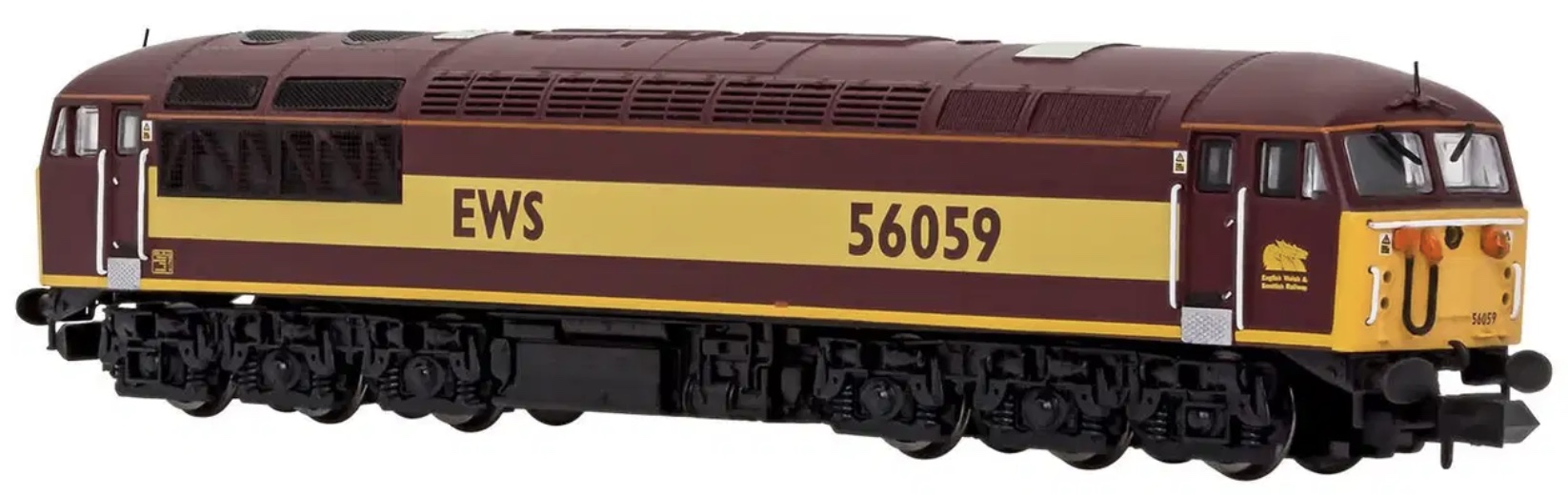
2D-004-013 Dapol N Gauge Class 56 56059 EWS RRP: £156.60 Our price: £133.11 Add to basket
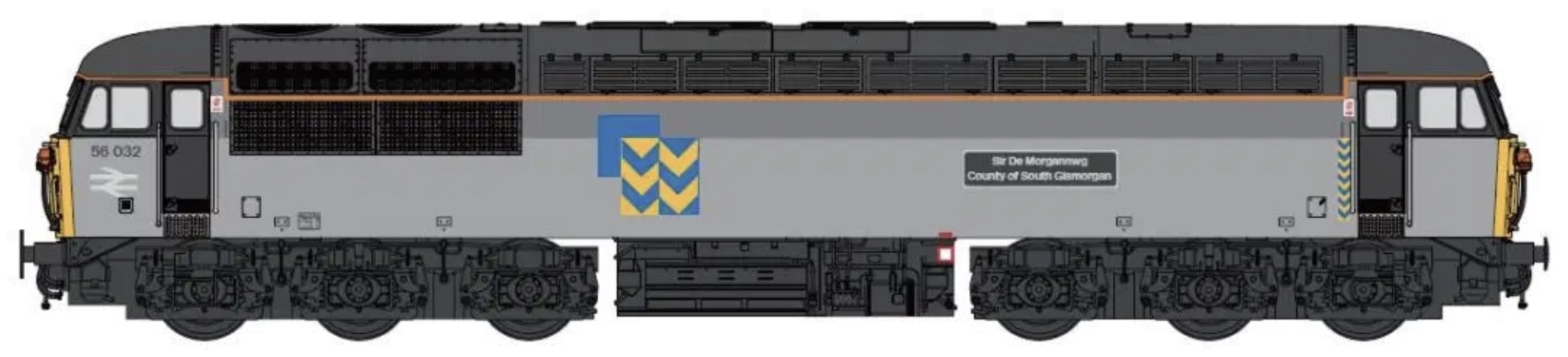
GM2210701 Gaugemaster N Gauge Class 56 032 County of South Glamorgan Railfreight Metals RRP: £164.95 Our price: £140.21 Add to basket
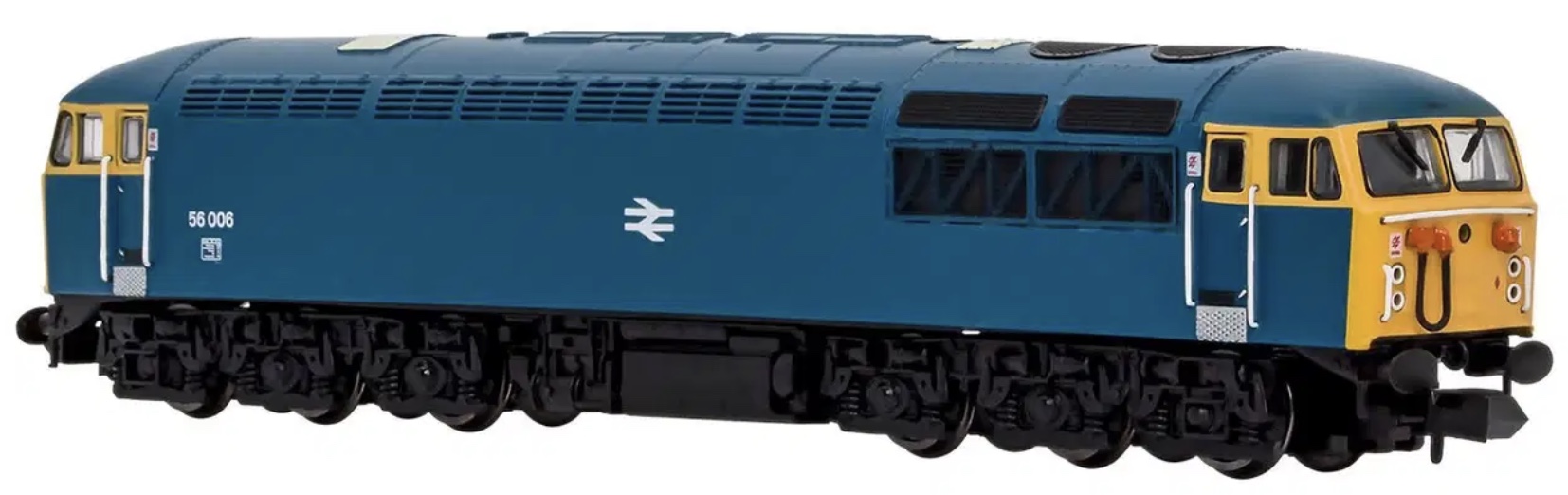
2D-004-015 Dapol N Gauge Class 56 56006 BR Blue. RRP: £156.60 Our price: £133.11 Add to basket
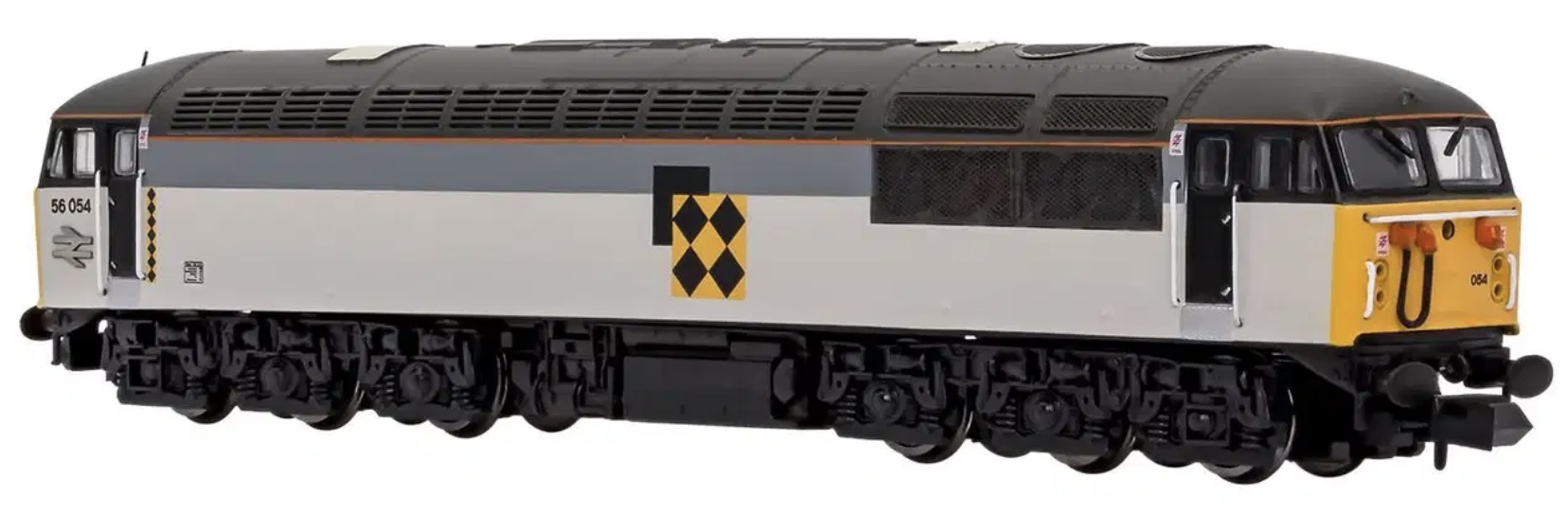
2D-004-016 Dapol N Gauge Class 56 56054 Railfreight Coal. RRP: £156.60 Our price: £133.11 Add to basket
Class 56 history in brief
The British Rail Class 56 is one of the most recognisable heavy freight locomotives to emerge from the latter years of British Rail's diesel development programme. Introduced between 1976 and 1984, the class was designed primarily to haul heavy coal, steel and aggregate trains across the UK rail network.
Built by Electroputere in Romania and later at Doncaster and Crewe Works, a total of 135 locomotives entered service. At the heart of the Class 56 was a Ruston-Paxman 16RK3CT engine producing 3,250hp, making it one of the most powerful single-engined diesel locomotives operating on Britain's railways at the time. Their impressive tractive effort and rugged construction quickly made them a common sight on heavy freight routes, particularly in the Midlands, South Wales and the North East.
During the privatisation era, many locomotives were inherited by freight operators including Transrail, Loadhaul, Mainline and later EWS, appearing in a variety of striking liveries. Although gradually displaced by newer classes such as the Class 66, a number of Class 56s remain in preservation and occasional main line service today. Their distinctive appearance, characterised by slab-sided bodywork, large cab windows and powerful exhaust note, has ensured enduring popularity among railway enthusiasts and model railway modellers alike, securing the Class 56's place as a true British freight icon.